I’m going to go out on a limb here: I think the days of us all feeling like we’re running up a down-escalator are finally coming to an end. For the last couple of years, it’s felt like every time we got a pay rise, the price of a pint of milk or a tank of petrol jumped up twice as fast. But as we sit here in late October, the scales are starting to tip back in our favour.
Imagine my friend Lauren. She’s been desperate to move to a house with an extra bedroom, but every time she looked at her bank balance, she felt "stuck." She saw her wages go up, but then her weekly shop at the supermarket seemed to gobble that extra cash right back up. That’s the "invisible thief" we call inflation.
In simple terms, inflation is just a measure of how much more expensive life is getting. If a loaf of bread cost £1 last year and it’s £1.03 today, that’s inflation in action. Right now, the official figure (the CPI) is sitting at 3.3%. That’s a bit higher than it was in the summer, but here is the bit that should make you smile: average earnings are actually growing at 3.7%.
The Magic Number: 0.4% Did you know that for the first time in a long while, your pay cheque is actually "winning" the race? Because wages are rising faster than prices (3.7% vs 3.3%), we have what we call a positive affordability signal. You’ve got about 0.4% more "real" spending power than you had before. It sounds small, like finding a few coins down the back of the sofa, but it means your money is finally starting to stretch further rather than shrinking.
What does this mean for your home? The Bank of England has kept the Base Rate steady at 3.75% this month. Because our wages are outstripping price hikes, it makes the "maths" of a mortgage feel a lot less scary.
If you’re thinking about buying or remortgaging, the national average house price is now £288,279. While that’s a tiny bit higher than last month, the pace of growth has slowed down to 1.2% annually. Basically, houses aren't sprinting away from us anymore. They’re walking, while our wages are jogging to catch up. That’s great news for anyone who felt priced out earlier this year.
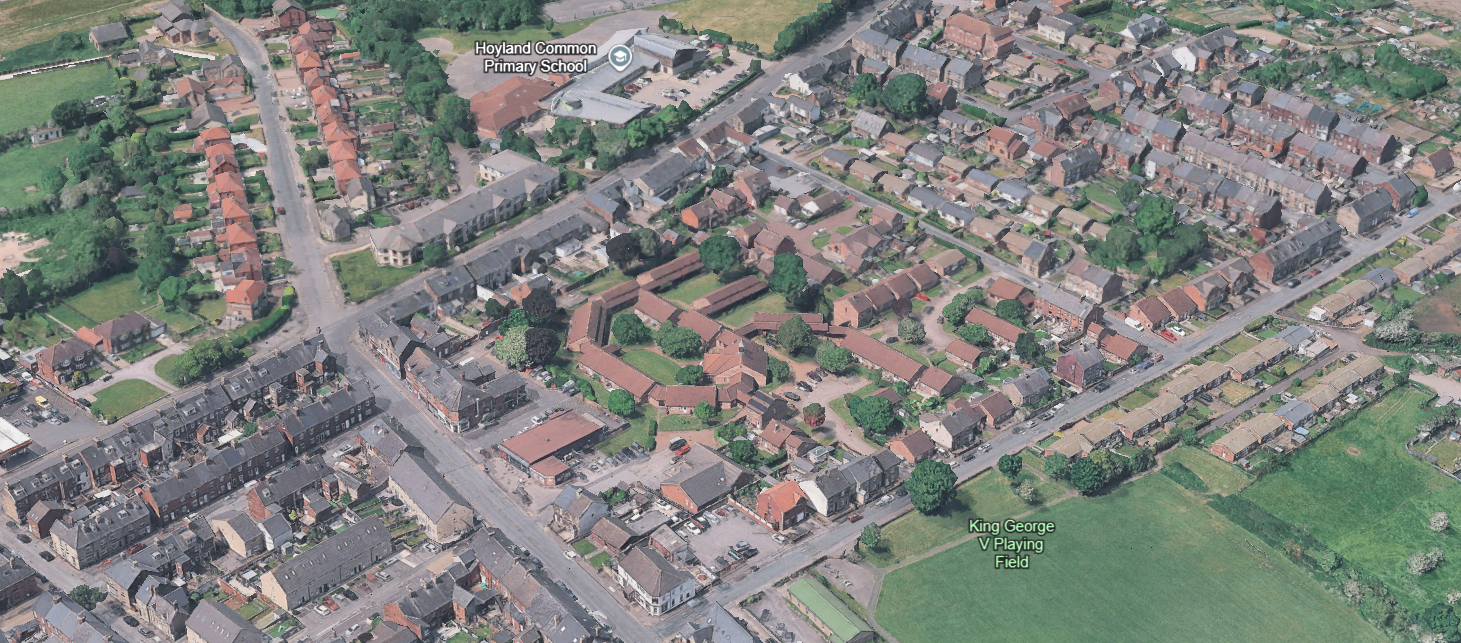
Bringing it home to Barnsley You might wonder how these big national numbers affect us here in Barnsley. While the headlines talk about London or the UK average, our local market in Barnsley is actually quite a different beast.
With an average asking price of £228,904 across the 109 properties we’ve been looking at, we are much more affordable than the national average. Because inflation is settling and wages are up, the "squeeze" on local buyers is loosening. We’ve seen about 9 sales a month recently, and with 76 homes currently on the market, it’s a very balanced, fair environment. Whether you're a landlord dealing with maintenance costs or a first-time buyer in Barnsley, that extra 0.4% in your pocket makes a real difference when sitting down with a mortgage advisor.
The Bottom Line We aren't back to the "cheap as chips" days of a decade ago, but the direction of travel is looking bright. We’re moving away from the panic of 2024 and 2025 into a period of stability. If you’ve been waiting for a sign to start looking at property portals again, this is it: your money is finally starting to work for you again.